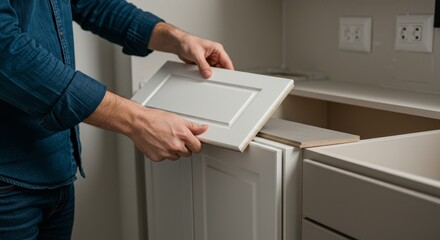
Updating kitchen or bathroom cabinets can dramatically improve the appearance of a home, but replacing every cabinet is not always necessary. Cabinet Refacing Sacramento has become a popular alternative because it gives existing cabinets a fresh, modern look while preserving the original cabinet boxes. Since much of the existing structure remains in place, refacing often costs less than a complete replacement while still delivering impressive visual results. However, the total investment varies depending on several factors, including materials, cabinet size, design choices, and labor. Understanding what affects cabinet refacing cost helps homeowners plan their remodeling budget with greater confidence.
What Is Cabinet Refacing?
Cabinet refacing is a remodeling process that updates the exterior appearance of existing cabinets without replacing the entire cabinet system. During the project, the cabinet boxes remain in place while the doors, drawer fronts, and visible exterior surfaces receive new materials or finishes. Homeowners often replace outdated hardware at the same time to complete the transformation. This approach creates the appearance of brand-new cabinets while preserving much of the original structure. Cabinet refacing is a practical solution when the existing cabinets remain structurally sound.
Many homeowners choose cabinet refacing because it allows them to modernize their kitchen or bathroom without the expense and disruption of full cabinet replacement. Since the cabinet layout stays the same, there is usually no need to relocate plumbing, electrical wiring, or countertops. This can simplify the renovation while reducing overall project complexity. Refacing offers an attractive balance between affordability and visual improvement. It is especially popular during budget-conscious remodeling projects.
What Factors Affect Cabinet Refacing Cost?
Several factors influence cabinet refacing cost, with the size of the project being one of the most important. Kitchens with a larger number of cabinets require more materials, additional labor, and longer installation times than smaller spaces. Tall pantry cabinets, islands, and built-in storage units can also increase the amount of work involved. The overall layout of the room affects how much material and preparation are required. Larger projects naturally require a greater investment.
Material selection also plays a significant role in determining the total cost. Homeowners can choose from a variety of veneer finishes, laminate products, solid wood options, and other decorative materials. Premium materials generally cost more than standard alternatives but may provide greater durability and a more refined appearance. Hardware upgrades, decorative moldings, and custom design features may further increase the project’s overall cost. Every design decision contributes to the final budget.
How Do Materials Influence the Price?
The material selected for cabinet refacing has one of the greatest impacts on project cost because it affects both appearance and durability. Laminate finishes are often chosen for their affordability and wide range of color options. They provide a clean, modern appearance while resisting everyday wear in many household environments. Wood veneers offer a more natural look with distinctive grain patterns that appeal to homeowners seeking a timeless style. Each material offers different advantages depending on the desired outcome.
Solid wood doors and drawer fronts generally represent a larger investment because of their craftsmanship and premium appearance. They also offer opportunities for staining or painting in the future if homeowners decide to update the look again. Specialty finishes, decorative textures, and custom colors may further influence material pricing. Selecting the right material requires balancing appearance, durability, maintenance needs, and overall budget. Careful planning helps homeowners choose the best option for their renovation goals.
Is Cabinet Refacing More Affordable Than Cabinet Replacement?
Cabinet refacing is often more affordable than replacing every cabinet because the existing cabinet boxes remain in place. Eliminating the need to remove and replace the cabinet framework reduces both labor and material costs. Homeowners also avoid many of the structural modifications that can accompany complete cabinet replacement. This makes refacing an attractive option for cabinets that remain in good structural condition. The savings can often be redirected toward other kitchen or bathroom upgrades.
Complete cabinet replacement may still be necessary if the existing cabinets have significant structural damage, water deterioration, or an inefficient layout that no longer meets the homeowner’s needs. In these situations, replacing the cabinets may provide better long-term value despite the higher initial investment. The decision depends on the overall condition of the cabinetry and the goals of the remodeling project. A careful inspection helps determine which approach is most appropriate. Every home presents different renovation priorities.
What Additional Costs Should Homeowners Consider?
Beyond the cabinet refacing itself, homeowners should consider additional upgrades that may affect the overall project budget. Replacing cabinet handles, knobs, hinges, and drawer pulls is a common improvement that enhances the appearance of newly refaced cabinets. Soft-close hinges and drawer slides may also be added to improve everyday functionality. These upgrades can significantly modernize older cabinetry without requiring full replacement. Small improvements often create a noticeable difference in the finished result.
Some homeowners also choose to coordinate cabinet refacing with other remodeling projects such as installing new countertops, backsplashes, lighting fixtures, or flooring. While these improvements increase the total renovation budget, completing multiple upgrades at the same time often creates a more cohesive design. Careful planning allows homeowners to prioritize improvements according to their available budget. Understanding all potential costs helps prevent unexpected expenses during the project. A comprehensive renovation plan supports better financial decisions.
How Can Homeowners Get the Best Value?
Getting the best value from cabinet refacing involves more than simply choosing the lowest price. Homeowners should carefully compare material quality, craftsmanship, warranties, and the overall scope of work when evaluating different estimates. A detailed proposal should explain exactly what is included, from surface preparation and material selection to hardware installation and finishing work. Understanding these details helps ensure meaningful comparisons between service providers. Quality workmanship often provides better long-term value than the lowest initial estimate.
It is also helpful to request multiple estimates before making a final decision. Comparing recommendations allows homeowners to understand the available design options and identify any significant differences in pricing or proposed materials. Asking questions about project timelines, preparation methods, and finish durability provides additional confidence before work begins. A well-informed decision often leads to greater satisfaction with the finished renovation. Careful planning helps maximize the return on investment.
Is Cabinet Refacing Worth the Investment?
For many homeowners, cabinet refacing offers an excellent balance between affordability and visual improvement. When the cabinet boxes remain strong and functional, refacing provides an opportunity to achieve a completely refreshed appearance without the expense of replacing every cabinet. The updated finishes, doors, and hardware can dramatically improve the overall style of the room while extending the life of the existing cabinetry. Many homeowners appreciate the combination of cost savings and attractive results. Refacing delivers noticeable improvements with less disruption than full replacement.
Cabinet refacing may also increase the overall appeal of the home by modernizing one of its most frequently used spaces. Kitchens and bathrooms often influence buyers’ impressions during resale, and refreshed cabinetry can contribute positively to the property’s appearance. Although every remodeling project should be evaluated according to individual needs, cabinet refacing remains one of the most practical options for homeowners seeking a cost-effective update. Investing in quality materials and professional craftsmanship helps maximize both beauty and long-term value.
Final Thoughts
Cabinet refacing cost depends on several important factors, including the size of the project, material selection, design features, hardware upgrades, and labor requirements. While pricing varies from one home to another, cabinet refacing often provides a more affordable alternative to complete cabinet replacement when the existing cabinet boxes remain in good condition. By understanding the factors that influence cost and carefully planning the project, homeowners can achieve a beautiful kitchen or bathroom transformation while making the most of their remodeling budget. Thoughtful planning and quality workmanship help ensure lasting results that enhance both appearance and value.
