Concrete is one of the most widely used construction materials because of its strength, versatility, and long-lasting performance. It forms the foundation of countless residential, commercial, and industrial projects, providing reliable support for everything from sidewalks and driveways to buildings and bridges. Although many people see only the finished surface, quality concrete work involves careful planning, proper preparation, skilled installation, and ongoing attention to detail throughout the entire construction process. Every stage plays an important role in ensuring the finished structure performs as expected for many years. Understanding what Franklin TN Concrete Works involve helps property owners appreciate the craftsmanship and planning required to create durable, functional, and attractive structures.
What Are Concrete Works?
Concrete works refer to the construction, installation, finishing, repair, and maintenance of structures made from concrete. These projects involve combining cement, water, aggregates, and other materials to create a durable surface or structural element that meets specific design and performance requirements. Concrete works include everything from simple residential pathways to complex structural foundations that support large buildings. Every project requires careful planning to ensure the concrete performs well under its intended use. Proper execution contributes to both the appearance and longevity of the finished structure.
Concrete works are used in nearly every type of construction project because of the material’s adaptability. Homes often include concrete foundations, patios, driveways, garage floors, and walkways, while commercial properties may require parking lots, retaining walls, loading areas, and structural slabs. Industrial facilities rely on concrete for heavy-duty floors and support systems designed to withstand demanding conditions. This versatility makes concrete one of the most important materials in modern construction. Skilled workmanship helps maximize its long-term performance.
What Types of Projects Are Included in Concrete Works?
Residential concrete works cover a wide variety of projects that improve both the function and appearance of a property. Driveways provide durable vehicle access, patios create outdoor living spaces, and sidewalks improve accessibility throughout the property. Concrete is also commonly used for foundations, pool decks, steps, and decorative landscape features that enhance curb appeal. These installations are designed to provide reliable performance while complementing the overall design of the home. Proper construction helps ensure these surfaces remain stable for years.
Commercial and industrial concrete works often involve larger and more technically demanding projects. Parking lots, warehouse floors, retaining walls, commercial foundations, ramps, and structural slabs require careful engineering and precise construction techniques. These projects must support heavier loads while maintaining safety and durability under frequent use. Concrete contractors coordinate each phase carefully to ensure the finished structure meets the required performance standards. Attention to detail becomes especially important on larger construction sites.
Why Is Proper Concrete Installation Important?
The quality of a concrete structure depends heavily on the installation process. Even high-quality materials cannot perform properly if the site preparation, forming, reinforcement, placement, and finishing are not completed correctly. Each stage influences the final strength, appearance, and durability of the concrete. Careful workmanship helps minimize cracking, uneven settling, and premature deterioration. Proper installation creates a strong foundation for long-term performance.
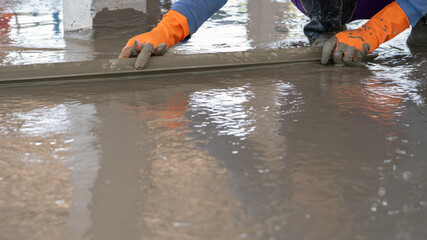
Preparation begins before any concrete is poured. The ground must be properly graded, compacted, and stabilized so it can support the finished structure without unnecessary movement. Reinforcement materials may also be added to improve strength depending on the project’s requirements. Once the concrete has been placed, finishing techniques help create the desired texture, appearance, and surface quality. Allowing adequate curing time is equally important because it enables the concrete to develop its full strength gradually.
What Factors Affect the Durability of Concrete?
Concrete is naturally durable, but several factors influence how well it performs over time. Weather conditions, moisture exposure, soil movement, drainage, and the amount of weight placed on the surface all contribute to the lifespan of the finished structure. Proper material selection and installation methods help the concrete withstand these conditions more effectively. When every phase of construction is completed carefully, the finished product is better prepared for long-term use. Good planning supports greater durability.
Routine maintenance also plays an important role in preserving concrete structures. Cleaning surfaces regularly, monitoring for cracks, maintaining proper drainage, and addressing small repairs promptly help reduce long-term deterioration. Small issues often become larger problems when ignored because moisture and daily wear continue affecting the damaged areas. Consistent maintenance helps preserve both appearance and structural performance. Preventive care often extends the useful life of concrete significantly.
How Do Concrete Works Improve Property Value?
Well-executed concrete works enhance both the appearance and functionality of a property. Smooth driveways, attractive patios, level sidewalks, and professionally installed outdoor spaces create a positive first impression while improving everyday convenience. Durable concrete features require relatively little maintenance compared to many other building materials, making them attractive to property owners and potential buyers alike. Quality workmanship reflects responsible property care and contributes to lasting value. Functional improvements often increase the property’s overall appeal.
Concrete also provides flexibility for future improvements. Outdoor entertainment areas, garages, storage buildings, landscaping features, and home additions often depend on properly installed concrete surfaces or foundations. Investing in quality concrete work today creates a stable base for future construction projects. Strong, reliable concrete supports continued property improvements for many years. Long-term planning begins with dependable construction.
What Should Property Owners Consider Before Starting Concrete Works?
Successful concrete projects begin with thoughtful planning and realistic expectations. Property owners should consider how the finished surface will be used, how much traffic it will receive, and how it will integrate with the surrounding landscape or existing structures. Proper planning also includes evaluating drainage, grading, and long-term maintenance needs before construction begins. Addressing these factors early helps reduce potential problems later. Careful preparation contributes to more successful outcomes.
Property owners should also recognize the value of experienced craftsmanship throughout the project. Concrete work requires precision during every stage, from site preparation and forming to placement, finishing, and curing. Small mistakes during installation can affect the appearance, strength, and longevity of the finished surface. Skilled professionals understand how each step influences the overall quality of the project. Their experience helps produce durable, attractive concrete structures that perform reliably for many years.
How Can Proper Concrete Works Reduce Future Repairs?
Investing in quality concrete work from the beginning often reduces the need for major repairs later. Proper installation techniques help prevent many common issues such as cracking, uneven settling, drainage problems, and premature surface wear. Strong foundations, accurate grading, and appropriate curing all contribute to long-term structural stability. Building the project correctly the first time minimizes maintenance requirements while extending the lifespan of the concrete. Preventive planning often proves more cost effective than correcting avoidable problems.
Regular inspections after construction also help preserve the condition of concrete surfaces. Monitoring for small cracks, minor settlement, or drainage issues allows repairs to be completed before more extensive damage develops. Routine maintenance protects the original investment while helping the concrete continue performing as intended. Property owners who combine quality construction with ongoing care often enjoy decades of reliable service. Long-term durability begins with proper workmanship and continues through responsible maintenance.
Final Thoughts
Concrete works form the foundation of countless residential, commercial, and industrial construction projects. From driveways and patios to structural foundations and large commercial slabs, properly installed concrete provides the strength, stability, and durability needed for long-lasting performance. Careful planning, skilled craftsmanship, quality materials, and routine maintenance all contribute to successful concrete construction that continues serving its purpose for many years. Whether building a new structure or improving an existing property, investing in professional concrete works helps create safe, functional, and attractive spaces that stand the test of time. Strong construction always begins with a solid concrete foundation.